
Why Bob Marley’s Music Carried a Message of Unity
In a divided world, Bob Marley used steady reggae beats and easy choruses to help strangers sing together. His music showed that unity can start with shared rhythm, respect, and hope.
Explore big ideas across 6 categories. Each topic comes in 4 reading levels.
Psychology, mindset, and daily habits
❤️Wellness, fitness, and healthy living
🌍Society, travel, and global perspectives
💰Career, finances, and modern work life
🔬Innovation, technology, and tomorrow
🌟Stories of inspiring people
Latest topics from all categories.
In a divided world, Bob Marley used steady reggae beats and easy choruses to help strangers sing together. His music showed that unity can start with shared rhythm, respect, and hope.

Big work often feels like fog. When you turn it into tiny next actions, the brain feels safer, you start sooner, and progress becomes visible—one small step at a time.
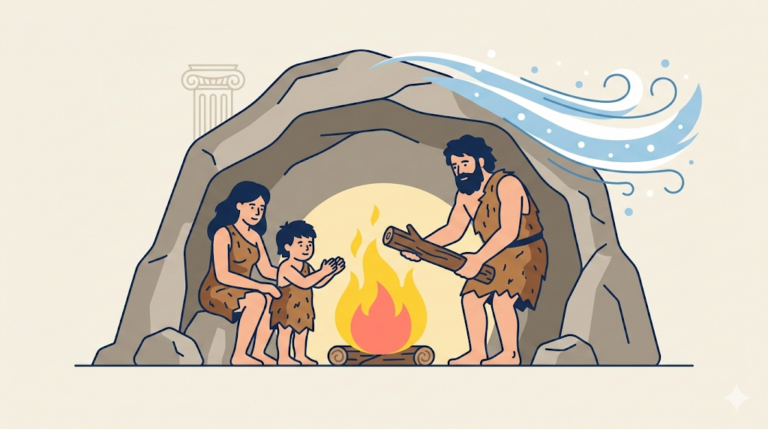
Ice Age life was tough, but humans adapted. See how fire, warm clothing, safe shelters, planned hunting, and strong teamwork helped early people survive and move with the seasons.
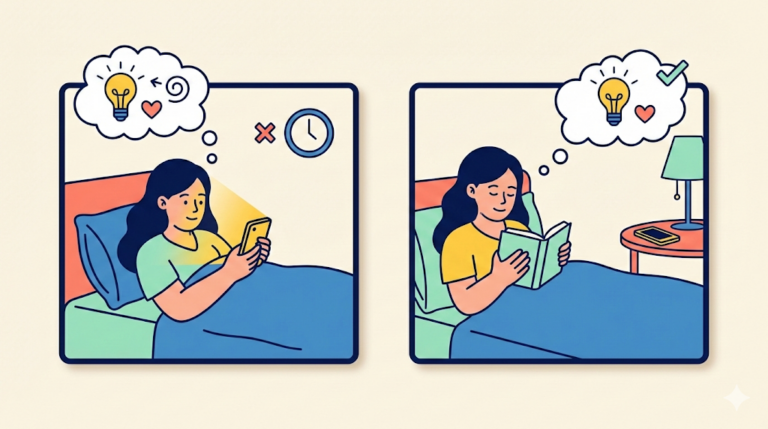
Bad habits repeat because the brain loves quick comfort and easy routines. Learn how triggers start the loop—and how small, steady changes can build a new path.
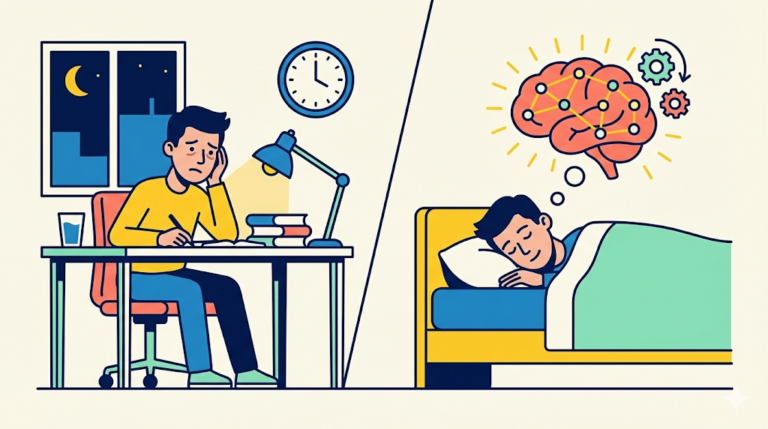
Sleep is the second half of learning. During the night, the brain saves memories, practices skills, and resets attention. With steady sleep, studying becomes easier, faster, and less stressful.
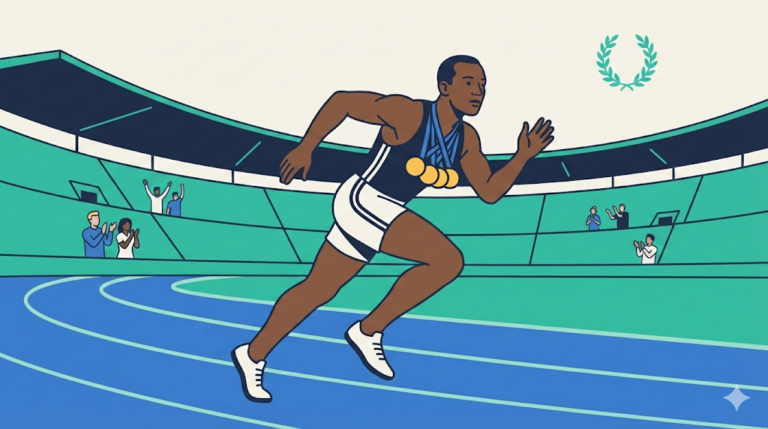
In 1936, Jesse Owens ran and jumped under worldwide pressure. His four gold medals became more than wins—they challenged racist propaganda and still teach courage, dignity, and truth.

Sound begins as vibration in air. Your ear turns waves into signals, and your brain organizes them into rhythm, melody, and harmony—so noise becomes meaningful music.

Multitasking often means switching, not doing two things at once. Deep work protects your attention, reduces mistakes, and helps you finish meaningful work with less stress.
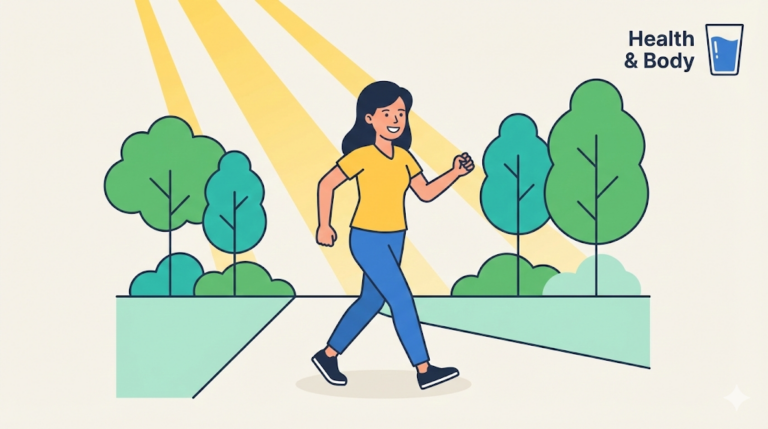
Many people feel sleepy after lunch. It is often a normal afternoon dip in alertness, made stronger by digestion, big meals, sugar crashes, low sleep, and low light.
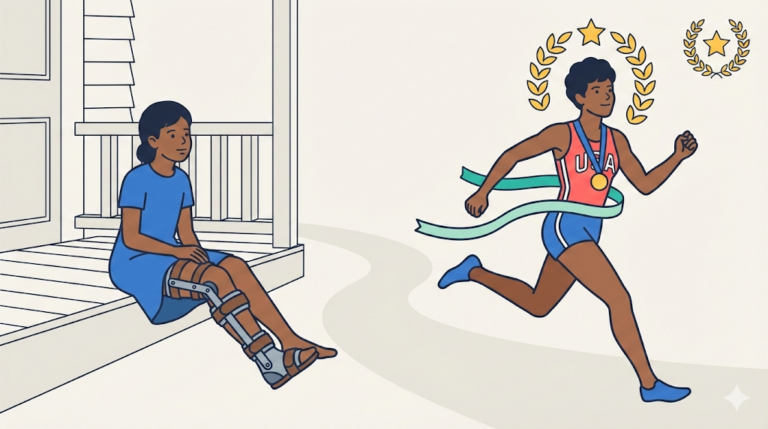
Wilma Rudolph began with illness and a leg brace, then rebuilt strength through therapy and training. Her three gold medals in Rome became a symbol of patience, support, and earned confidence.

A rainbow is not a thing you can touch. It is a picture made by sunlight and tiny water droplets. When the sun is behind you, colors appear in a bright arc.

Learn how to stay focused in a noisy workplace with small attention rules: one clear task, short focus blocks, fewer alerts, and friendly boundaries that reduce interruptions and improve work quality.