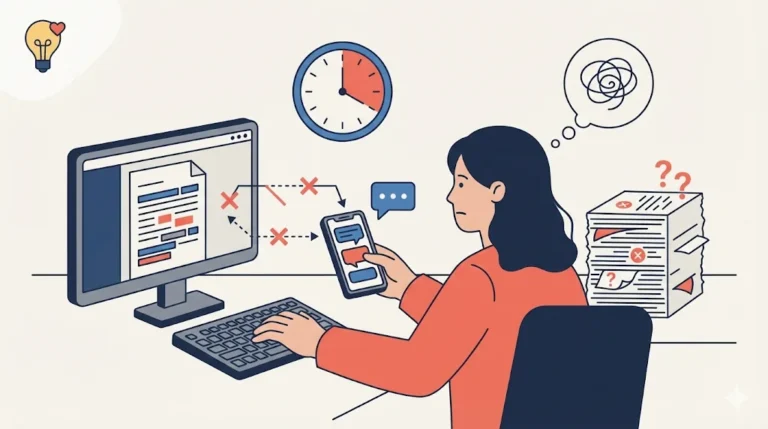
Why Multitasking Makes You Slower
Multitasking feels productive, but it often means switching attention again and again. This article shows why switches slow you down—and how simple focus habits can help.
Wisdom Topics · Category
Psychology, mindset, and daily habits
11 topics available
Multitasking feels productive, but it often means switching attention again and again. This article shows why switches slow you down—and how simple focus habits can help.
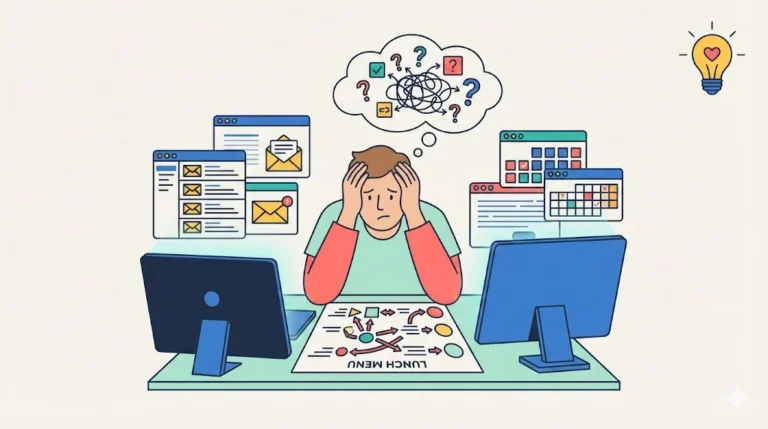
After many small choices, your brain gets tired. This article explains decision fatigue, how it shows up in daily life, why it can hurt your choices, and how simple systems can help.

Habits feel automatic, but they follow a loop. When you notice the cue, replace the routine, and add small friction, you can change behavior without endless willpower.
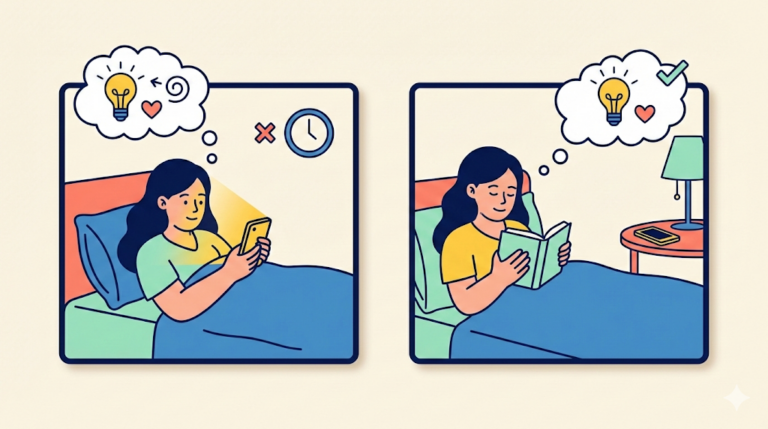
Bad habits repeat because the brain loves quick comfort and easy routines. Learn how triggers start the loop—and how small, steady changes can build a new path.
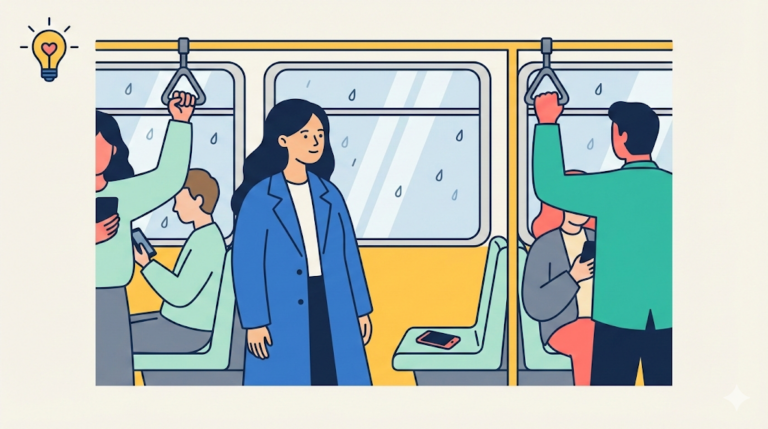
When life gets loud, silence gives the mind space. A short pause can cool emotions, reveal hidden thoughts, and help you respond with calm clarity.
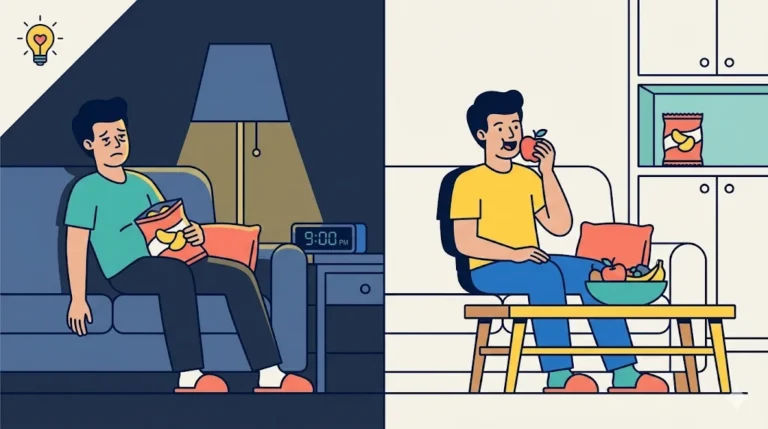
Willpower feels strong in the morning but weak at night. This topic shows why—and how simple cues, better environments, and energy care can protect your habits.
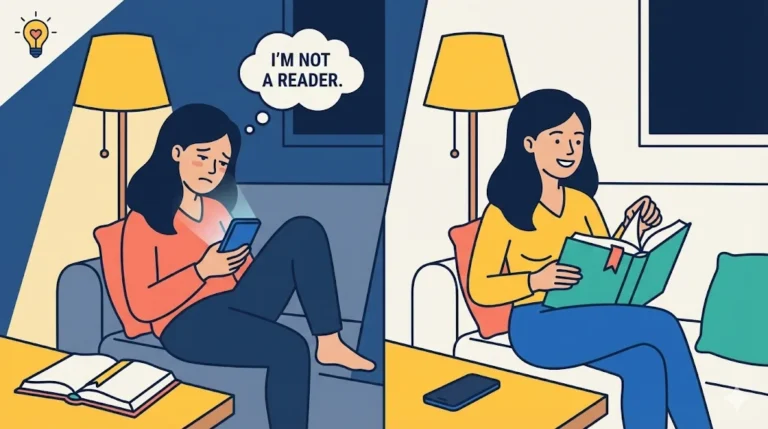
Your habits often follow the story you tell about yourself. Discover how tiny “votes” — small actions and wins — can reshape identity and make better habits feel natural.
Motivation is a wave, not a machine. When you build small habits, protect rest, and shape your environment, you can keep moving toward work and money goals—even on low days.
Perfection can feel safe, but it often creates fear and delay. This story-based lesson shows how accepting small flaws lowers pressure, supports self-compassion, and turns life into steady progress.
Good habits do not grow from willpower alone. They grow from small daily actions, clear cues, and simple rewards that train your brain to repeat helpful behavior.
We dream of big, dramatic change. But real life direction grows from tiny daily choices—how we spend time, where we put attention, and which habits we repeat again and again.