The Science Behind the After-Lunch Slump
Work with your rhythm, not against it.
At 2:10 p.m., Emma feels her attention drop like a slow elevator. The office is quiet, but her brain is not sharp. She drank coffee in the morning. She slept “okay,” she thinks. Still, her body is asking for a pause. In modern work culture, that can feel like a personal failure. But it is usually biology. Your brain is not a machine that stays flat all day. It rises and falls, like the tide.
The afternoon slump is a rhythm, not a flaw
Humans run on a circadian rhythm, a 24-hour body clock that helps time alertness, temperature, hormones, and sleep. For many adults, alertness naturally dips in the early afternoon. You can see this in daily life: driving feels harder, meetings feel longer, and people reach for sugar or caffeine. Circadian rhythm research, often discussed in journals like Nature, treats this dip as a normal part of the day’s curve, not a sign that you are weak.
Digestion, blood sugar, and “energy cost”
Lunch adds a second layer. Digestion is an active process: the gut moves, enzymes work, and the body handles nutrients. A very large meal increases that workload and can make you feel heavy and calm. Meal type matters too. Refined carbs and sweet drinks can raise blood sugar quickly. For some people, that spike is followed by a drop that feels like a crash—foggy thinking, low mood, and strong sleepiness. A slower meal—protein, fiber, and healthy fats—tends to keep energy steadier.
Hydration changes the picture as well. Mild dehydration can create fatigue and headaches, and that makes the dip feel deeper than it really is. Light matters too: dim indoor light tells the brain “evening,” while bright daylight supports wakefulness.
Designing an afternoon that works with your body
Emma does not try to “power through” every day. She redesigns her lunch and her schedule:
- She eats a slightly smaller lunch and avoids a big sugary drink.
- She adds protein and fiber (eggs, beans, fish, vegetables, nuts).
- She drinks water before and after eating.
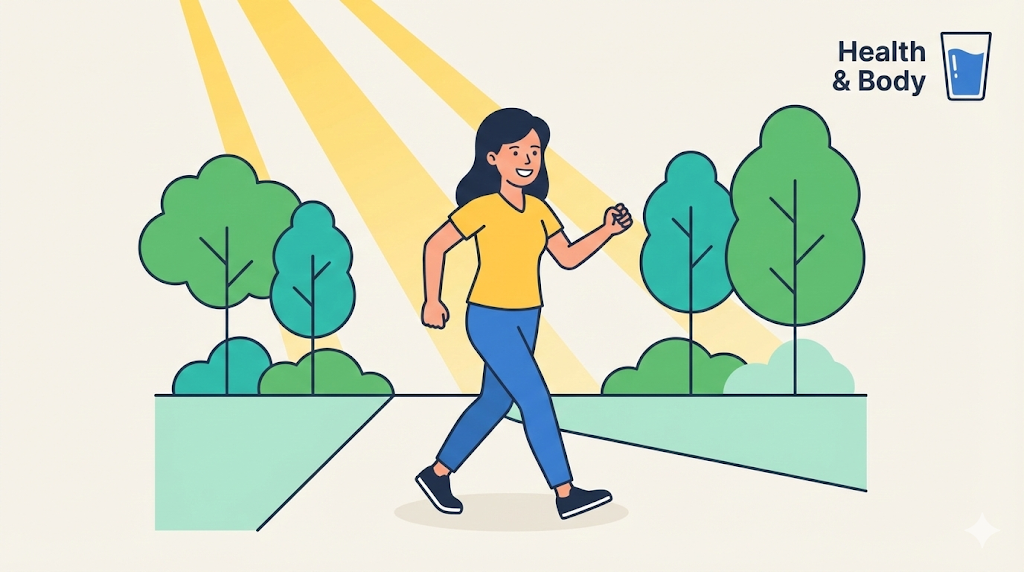
- She gets 5–15 minutes of light and movement after lunch.
- She saves her hardest thinking for the morning, and uses early afternoon for lighter tasks, messages, or planning.
Caffeine can be useful, but timing is strategic. A small coffee soon after lunch may help, but late caffeine can push bedtime later. Then the next day starts with sleep debt, and the slump gets worse.
Some cultures built rest into the day with an afternoon break or siesta. Modern schedules often removed that pause, so people rely on constant stimulation instead. A short “reset” can be a modern version of that idea: water, light, a short walk, and a quick return to work.
If your sleepiness is extreme, happens every day, or comes with other symptoms, it is worth checking your night sleep and talking with a health professional. For most people, though, the message is kind: your body is following a rhythm. When you learn the rhythm, you can live and work with it—and your afternoons feel more human.
Key Points
- The “slump” often comes from a normal circadian dip plus digestion demands.
- Meal size and meal type (especially refined sugar) can deepen the crash.
- Light, hydration, movement, and smart timing can make afternoons manageable.
Words to Know
body clock /ˈbɑːdi klɑːk/ (n) — your internal time system
circadian rhythm /sərˈkeɪdiən ˈrɪðəm/ (n) — a 24-hour pattern of alertness and sleep
hormone /ˈhɔːrmoʊn/ (n) — a chemical messenger in the body
digestion /daɪˈdʒestʃən/ (n) — breaking food into usable parts
enzyme /ˈenzaɪm/ (n) — a helper protein that speeds body processes
nutrient /ˈnuːtriənt/ (n) — a helpful substance in food
refined carbs /rɪˈfaɪnd kɑːrbz/ (n) — processed carbohydrates like white bread
fiber /ˈfaɪbər/ (n) — plant material that helps digestion and steadier energy
hydration /haɪˈdreɪʃən/ (n) — having enough water in your body
wakefulness /ˈweɪkfʊlnəs/ (n) — the state of being awake
strategic /strəˈtiːdʒɪk/ (adj) — planned in a smart way
sleep debt /sliːp det/ (n) — tiredness from not enough sleep over time
stimulation /ˌstɪmjəˈleɪʃən/ (n) — input that keeps the brain active
siesta /siˈestə/ (n) — an afternoon rest in some cultures