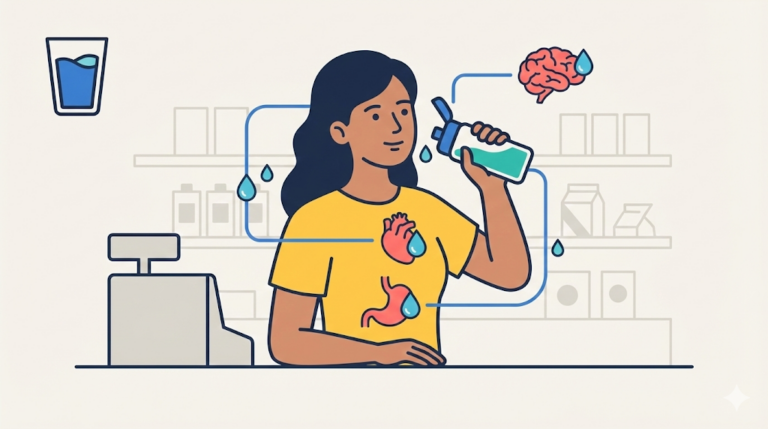
Why Hydration Affects Every Organ
Water is not just for thirst. It moves blood and nutrients, cools you through sweat, helps digestion, and lets kidneys filter waste. Even mild dehydration can change focus, mood, and energy.
Wisdom Topics · Category
Wellness, fitness, and healthy living
9 topics available
Water is not just for thirst. It moves blood and nutrients, cools you through sweat, helps digestion, and lets kidneys filter waste. Even mild dehydration can change focus, mood, and energy.
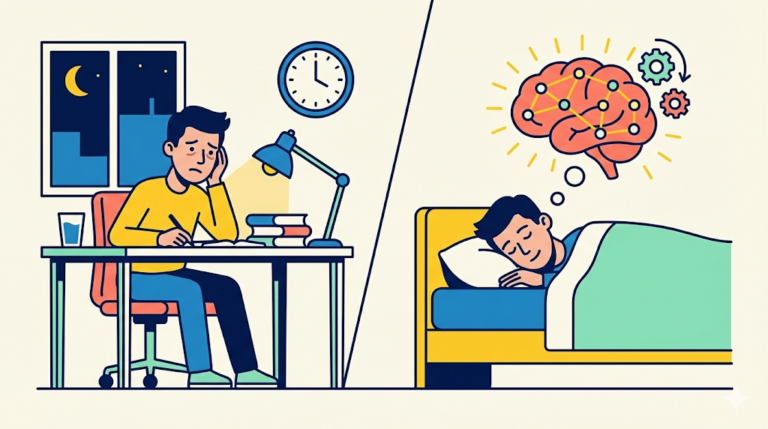
Sleep is the second half of learning. During the night, the brain saves memories, practices skills, and resets attention. With steady sleep, studying becomes easier, faster, and less stressful.

Many people feel sleepy after lunch. It is often a normal afternoon dip in alertness, made stronger by digestion, big meals, sugar crashes, low sleep, and low light.
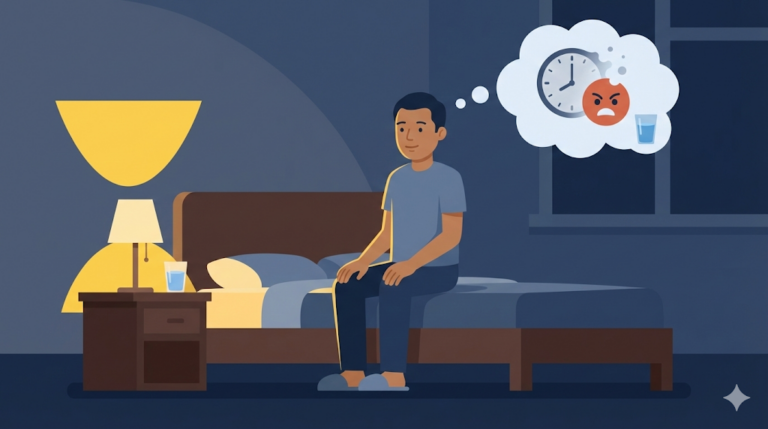
Dreams can feel like real life because the sleeping brain builds vivid scenes and strong emotions, especially in REM sleep, while logical fact-checking is quieter. Learn why you wake with powerful feelings.
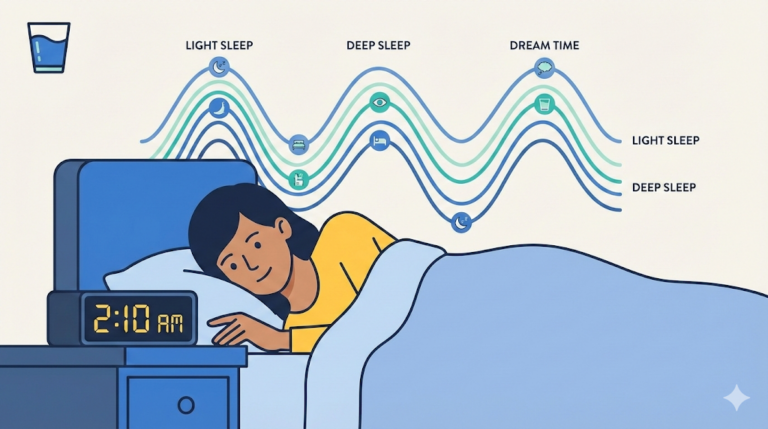
Sleep is not one long “flat” state. It moves in repeating cycles—light sleep, deep sleep, and REM—so your body can recover and your brain can sort memory and emotion.
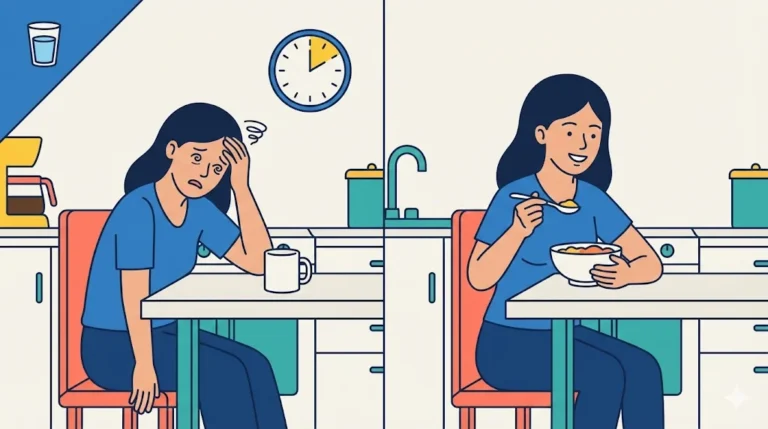
Skipping meals can feel normal, but your body still burns energy and needs nutrients. Daily eating fuels movement, thinking, warmth, and quiet cell repair.
Food is not power by itself. Your body breaks it down, sends fuel through your blood, and helps your cells make ATP—tiny energy that keeps you moving and thinking.
Sleep is not “wasted time”. It is nightly repair for your cells, hormones, brain, and immune system, so you can wake with real energy and protection against sickness.
Every breath is a small life support system. Oxygen comes in, carbon dioxide goes out, and your cells get the power to think, move, and live. This article set explains how.