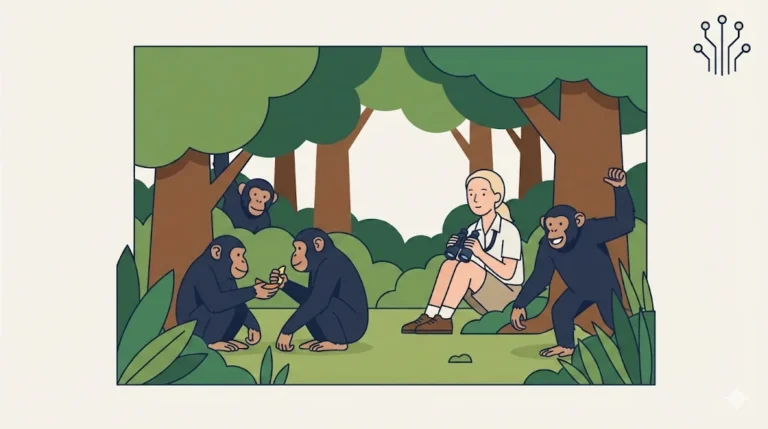
What Jane Goodall Learned From Chimpanzees
By watching longer, noticing individuals, and changing her mind with evidence, Jane Goodall transformed how we understand chimpanzees and ourselves.
Explore big ideas across 6 categories. Each topic comes in 4 reading levels.
Psychology, mindset, and daily habits
❤️Wellness, fitness, and healthy living
🌍Society, travel, and global perspectives
💰Career, finances, and modern work life
🔬Innovation, technology, and tomorrow
🌟Stories of inspiring people
Latest topics from all categories.
By watching longer, noticing individuals, and changing her mind with evidence, Jane Goodall transformed how we understand chimpanzees and ourselves.

A quiet TV voice showed the world that kindness is a skill. Mister Rogers changed children’s TV by naming feelings, slowing down, and modeling repair.

A simple weekly calendar shows your real time. Place priorities first, use small blocks, and adjust midweek to reduce stress and stay focused.
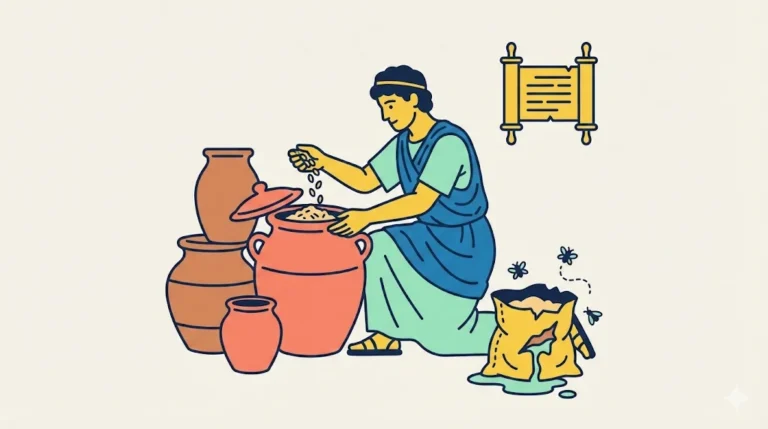
Clay jars protected food from moisture and pests. They also made saving seed and sharing easier, and they supported new community skills like cooking, trade, firing, and decorating.
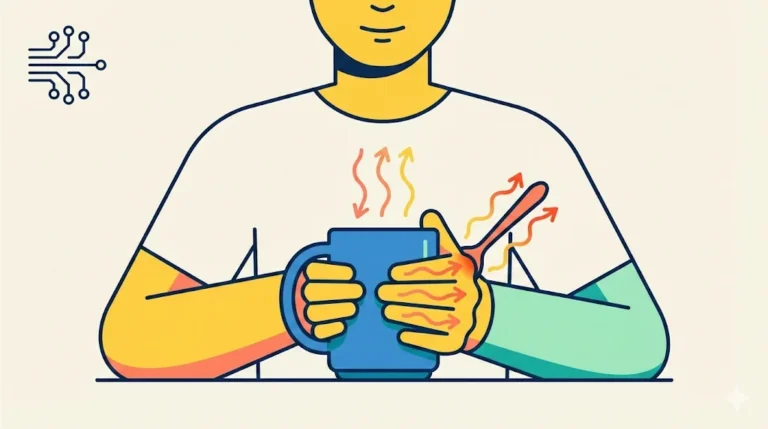
A warm mug and a warm metal spoon can feel different. This article explains temperature (how hot) and heat (moving energy), and why materials change temperature in different ways.

Multitasking feels productive, but it often means switching attention again and again. This article shows why switches slow you down—and how simple focus habits can help.

A backstage meeting turns into a lesson: listen with curiosity, collaborate with respect, and tell the “why” so audiences can cross cultural bridges together.
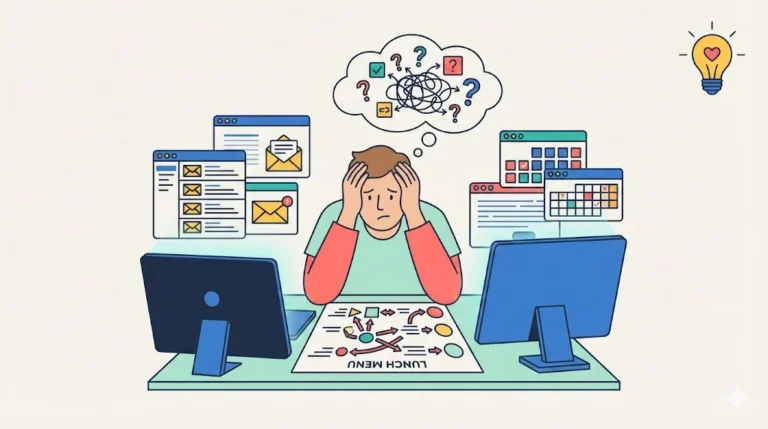
After many small choices, your brain gets tired. This article explains decision fatigue, how it shows up in daily life, why it can hurt your choices, and how simple systems can help.
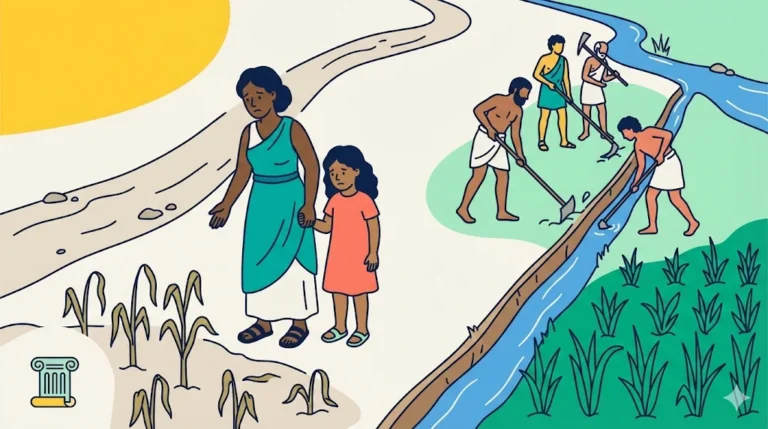
When rain was not enough, farmers used simple canals, ditches, and ponds to guide water by gravity. Irrigation needed teamwork, fair rules, and steady repairs to protect harvests and support towns.
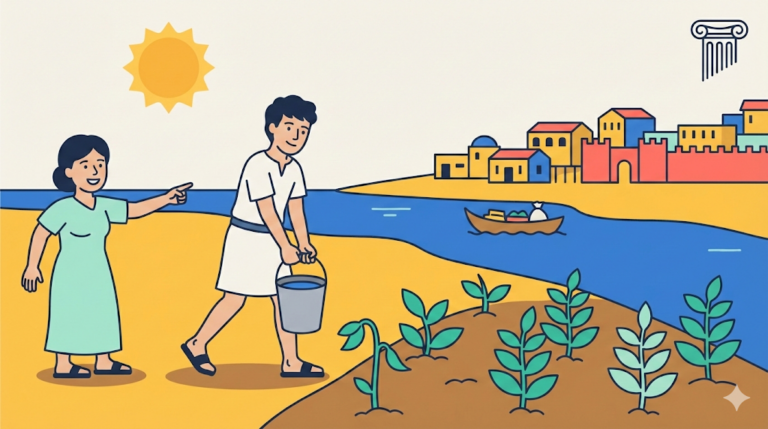
Rivers were early “city builders.” They gave water, renewed soil, and carried goods by boat. People then made canals, storage, and rules—turning villages into towns and cities.
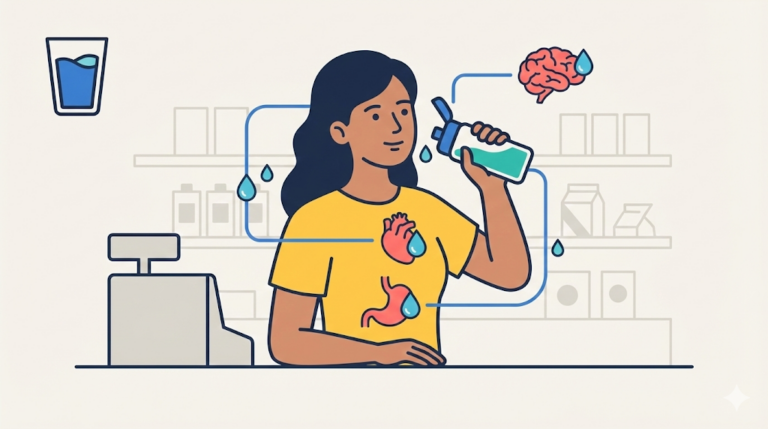
Water is not just for thirst. It moves blood and nutrients, cools you through sweat, helps digestion, and lets kidneys filter waste. Even mild dehydration can change focus, mood, and energy.

Habits feel automatic, but they follow a loop. When you notice the cue, replace the routine, and add small friction, you can change behavior without endless willpower.