Wisdom English Learn about the world. Grow your English.
History & Civilization

Why Pottery Helped People Store Food

A1 A2 B1 B2

Clay jars protected food from moisture and pests. They also made saving seed and sharing easier, and they supported new community skills like cooking, trade, firing, and decorating.

A1 Level

Clay jars made daily life safer and calmer.

Why Pottery Helped People Store Food

Clay jars made daily life safer and calmer.

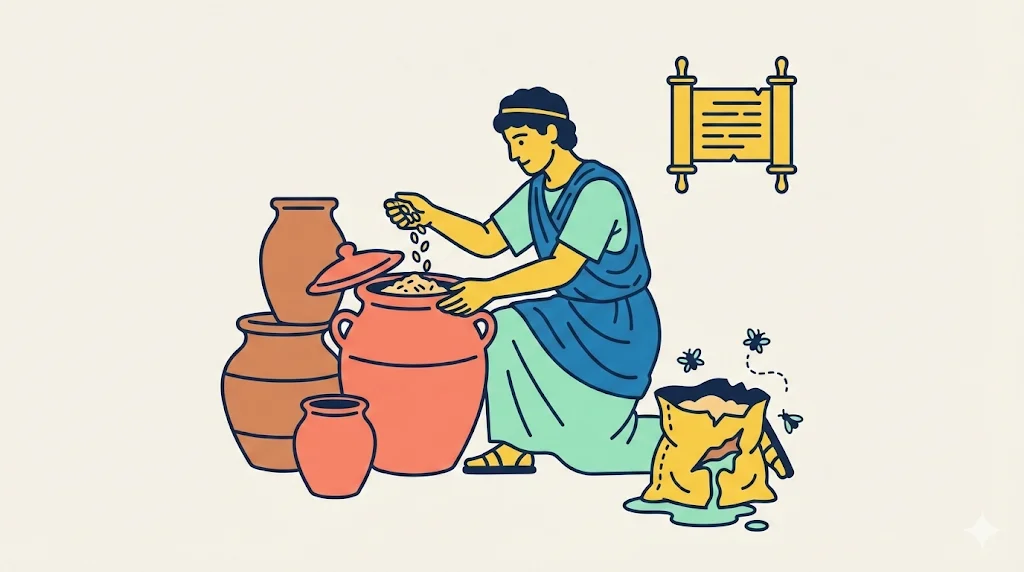
Alex moves into a new home. He buys rice and dried beans. He puts them in a thin bag. After a few days, he opens the bag. Small insects are inside. The food smells bad. Alex feels upset. “Why is this happening?” he thinks.

He visits his neighbor. The neighbor smiles and shows him clay jars. The jars are hard and heavy. Many have lids. “Put your food in here,” the neighbor says.

Long ago, many people learned the same lesson. Baskets and skins can leak. They can get wet. Animals can bite them. But fired clay is strong. A clay pot can keep grain, oil, and dried food safer. It helps block moisture. It also helps stop spills. And it can protect food from small animals.

Pottery also helped people plan. If you can store food well, you can save seed for next planting. You can share food with a sick neighbor. You can keep extra food for hard times, like a dry season or a cold season.

Pottery changed community life too. People cooked in pots. They carried food to trade. Some people became skilled pot makers. They shaped clay, fired pots, and sometimes decorated them. A simple jar helped a whole community feel more steady.


Key Points

  • Pots keep food dry and safer from animals and spills.
  • Pots help people plan and build steady community life.

Words to Know

jar /dʒɑːr/ (n) — a container, often with a lid
clay /kleɪ/ (n) — soft earth used to make pots
fire /ˈfaɪər/ (v) — to heat strongly to make hard
moisture /ˈmɔɪs.tʃər/ (n) — wetness in the air or on things
seed /siːd/ (n) — a small part that can grow into a plant
trade /treɪd/ (n, v) — exchange goods with others
spill /spɪl/ (v) — to drop liquid or food by accident
skill /skɪl/ (n) — an ability you learn with practice


📝 Practice Questions

A1 – True/False

  1. Pottery jars can help protect food from moisture and small animals.
  2. Alex’s neighbor tells him to keep food only in thin bags.
  3. Pottery helped people save seed for the next planting.

A1 – Multiple Choice

  1. What problem does Alex have?
    A. Insects in his food bag
    B. A broken chair
    C. A lost key

  2. Why are clay jars helpful for food?
    A. They make food disappear
    B. They seal better and reduce spills
    C. They turn food into water

  3. What is one thing pottery changed in community life?
    A. It stopped all rain
    B. It made everyone travel every day
    C. It supported cooking and new skills

A1 – Short Answer

  1. What does the neighbor use to store food?
  2. Name one thing pottery protects food from.
  3. What can people save for next planting?

A1 – True/False

  1. True
  2. False
  3. True

A1 – Multiple Choice

  1. A
  2. B
  3. C

A1 – Short Answer

  1. Clay jars (pots)
  2. Moisture / insects / animals / spills (any one)
  3. Seed
A2 Level

When food stays safe, life becomes easier to plan.

Why Pottery Helped People Store Food

When food stays safe, life becomes easier to plan.

Alex keeps finding insects in his food bag. He tries tying the bag tighter, but it still happens. One day, he visits a neighbor. The neighbor opens a cabinet and shows several clay jars with lids. “These help,” the neighbor says. Alex wonders why a simple jar works so well.

Strong walls, safer food

Long ago, many people stored grain, oil, and dried foods. But baskets can have holes. Skins can leak. If rain or damp air reaches the food, it can spoil faster. Animals can also smell food and try to get it.

Fired clay containers helped solve these problems. A hard pot has strong walls. A lid can cover the opening. This protects food from moisture, small animals, and messy spills. It also makes it easier to carry food without tearing a bag.

Planning for tomorrow

Good storage is not only about today’s dinner. It also supports planning. People could save seed for the next planting season. They could measure food and share it fairly. They could keep extra food for hard times, like a poor harvest or a long winter.

When storage is reliable, people worry less and plan more. They can think about next month, not only tomorrow.

More than containers

Pottery also shaped community life. Pots made cooking easier. People could boil foods and make soups. Pots could be traded, too, because they were useful and reusable.

Over time, some people became specialists. They learned how to shape clay, fire it, and decorate it. A jar could show careful work and local style. Pottery was a tool, but it also became a shared part of community identity.


Key Points

  • Pottery protected stored foods from moisture, animals, and spills.
  • Storage supported planning: seed saving, sharing, and preparing for hard times.
  • Pottery shaped community life through cooking, trade, and new skills.

Words to Know

cabinet /ˈkæb.ɪ.nət/ (n) — a storage box or closet
container /kənˈteɪ.nər/ (n) — something that holds things
lid /lɪd/ (n) — a top cover for a container
spoil /spɔɪl/ (v) — to go bad and not be safe to eat
damp /dæmp/ (adj) — slightly wet
measure /ˈmeʒ.ər/ (v) — to find the amount of something
fairly /ˈfer.li/ (adv) — in a way that is just for everyone
specialist /ˈspeʃ.əl.ɪst/ (n) — a person with a focused skill
decorate /ˈdek.ə.reɪt/ (v) — to add beauty or design
reusable /ˌriːˈjuː.zə.bəl/ (adj) — able to be used again


📝 Practice Questions

A2 – True/False

  1. Fired clay containers can help keep food drier than many baskets.
  2. Good storage can support sharing and planning for hard times.
  3. Pottery only mattered for decoration, not daily life.

A2 – Multiple Choice

  1. What can pottery help protect food from?
    A. Sunshine
    B. Moisture and pests
    C. Music

  2. Why does storage help planning?
    A. It makes food heavier
    B. It removes the need to eat
    C. It lets people save seed and prepare for bad seasons

  3. How did pottery support community life?
    A. It helped cooking and trade
    B. It stopped people from learning skills
    C. It made all food the same

A2 – Short Answer

  1. What does a lid do for a jar?
  2. Give one example of planning with stored food.
  3. Name one pottery-related skill people learned.

A2 – True/False

  1. True
  2. True
  3. False

A2 – Multiple Choice

  1. B
  2. C
  3. A

A2 – Short Answer

  1. It covers/seals the jar opening.
  2. Save seed / store extra food for hard times (one).
  3. Making/shaping/firing/decorating pots (one).
B1 Level

Storage sounds simple, but it can change the shape of life.

Why Pottery Helped People Store Food

Storage sounds simple, but it can change the shape of life.

Alex moves into a new home and keeps finding insects in his food bag. He feels annoyed and a little embarrassed. Then he visits a neighbor. The neighbor pours grain into a clay jar and closes a lid with a calm, practiced motion. Alex thinks, “It’s just a jar… but it looks like peace.”

Protection you can trust

For many people in the past, food was hard work. After harvesting grain or drying foods, the next problem was keeping them safe. Baskets can breathe, which can be helpful for some items, but they can also let in damp air. Skins can tear or leak. Small animals can chew through weak materials. Spills waste precious food.

Fired clay containers offered a strong barrier. Thick walls reduced damage. A narrow opening and lid helped keep out moisture and pests. Pots also made liquids like oil easier to store and pour without losing much. In short, pottery made storage cleaner, safer, and more dependable.

Planning across seasons

Reliable containers supported planning. People could save seed for the next planting. They could store food for a time when hunting was poor or crops failed. They could share food with relatives, neighbors, or travelers without emptying everything at once.

Storage also made counting and dividing easier. When food is in clear amounts—one jar, two jars—rules and sharing become more manageable. That kind of planning can reduce conflict and stress.

A new center of community life

Pottery did more than protect food. It changed how people cooked. A pot can boil grains, soften beans, and turn many small ingredients into a shared meal. Pottery could also become a trade item. A well-made jar is useful in any home.

Over time, communities developed new skills around pottery: shaping, firing, carrying, repairing, and decorating. These skills created roles, learning, and pride. A simple clay jar could support steadier homes—and stronger connections between people.


Key Points

  • Pottery protected stored foods from moisture, animals, and spills.
  • Storage supported planning: seed saving, sharing, and preparing for hard times.
  • Pottery shaped community life through cooking, trade, and new skills.

Words to Know

harvest /ˈhɑːr.vɪst/ (n, v) — gathering crops; to gather crops
pest /pest/ (n) — a small animal or insect that harms food
barrier /ˈbær.i.ər/ (n) — something that blocks or protects
dependable /dɪˈpen.də.bəl/ (adj) — reliable; you can trust it
narrow /ˈnær.oʊ/ (adj) — not wide
divide /dɪˈvaɪd/ (v) — to share into parts
conflict /ˈkɑːn.flɪkt/ (n) — a fight or strong disagreement
role /roʊl/ (n) — a job or part in a group
repair /rɪˈper/ (v) — to fix something broken
pride /praɪd/ (n) — a strong good feeling about your work
connection /kəˈnek.ʃən/ (n) — a link between people


📝 Practice Questions

B1 – True/False

  1. Pottery made storage more dependable by reducing spills and pest access.
  2. Reliable storage can make sharing and dividing food easier.
  3. Pottery had no connection to trade or community roles.

B1 – Multiple Choice

  1. What is one benefit of fired clay containers?
    A. They are always soft
    B. They protect food from damp air and pests
    C. They melt in the sun

  2. Which idea best explains “planning across seasons”?
    A. Storing seed and extra food for hard times
    B. Eating everything immediately
    C. Never sharing food

  3. How did pottery affect community life?
    A. It ended cooking
    B. It removed all jobs
    C. It created skills and trade goods

B1 – Short Answer

  1. Name two things that can damage stored food.
  2. Why does storing seed matter for farming?
  3. Give one example of a new role linked to pottery.

B1 – True/False

  1. True
  2. True
  3. False

B1 – Multiple Choice

  1. B
  2. A
  3. C

B1 – Short Answer

  1. Moisture and pests/animals (any two).
  2. It keeps seed for the next planting season.
  3. Pot maker / clay collector / kiln worker / decorator (one).
B2 Level

Sometimes the biggest “technology” is just a better container.

Why Pottery Helped People Store Food

Sometimes the biggest “technology” is just a better container.

Alex has a small problem that keeps repeating. He buys dry food, ties the bag, and still finds insects later. He tries moving the bag, folding it, sealing it with clips. Nothing feels fully safe. Then, in a neighbor’s kitchen, he sees a row of clay jars—each one heavy, stable, and closed with a lid. The neighbor says, “This is how I stop the trouble.”

Alex laughs, but he also feels something else: relief. A container can look boring, yet it can change your whole routine.

1) Protection that makes food last

Before people could store food well, they had to worry about moisture, animals, and waste. Damp air can spoil grain. Tiny pests can ruin a bag quietly. Spills can turn hard work into nothing.

Fired clay jars solved many of these daily threats. They were strong and reusable. Their walls protected dry foods from dampness and kept liquids like oil from leaking. Narrow openings and lids reduced access for insects and small animals. Even when a jar was not perfect, it usually offered more control than a soft bag or a woven basket.

This protection mattered because storage is not only about having food—it is about keeping food safe until you need it.

2) Storage creates planning power

Once food can be stored, people can plan across seasons. They can set aside seed for future planting instead of eating it during a hungry week. They can share food in a measured way, helping a neighbor without losing everything. They can prepare for hard times—poor harvests, long winters, or unexpected visitors.

In a simple sense, a jar turns “today” into “later.” It creates space for decisions. And decisions shape stability.

3) Pottery reshapes community life

Pottery also changed what communities could do together. Cooking became more flexible: boiling, simmering, and making stews that feed many people from small ingredients. Pots and jars became trade goods because they were useful, portable, and durable.

Just as important, pottery created new skills and roles. Someone had to find clay, shape it, fire it, and sometimes decorate it. Over time, these skills could become a local craft, a source of income, and a shared marker of community style.

So when Alex chooses a clay jar, he is not only solving a kitchen problem. He is stepping into a long human story: safer storage, better planning, and stronger community life—built, quite literally, around a pot.


Key Points

  • Pottery protected stored foods from moisture, animals, and spills.
  • Storage supported planning: seed saving, sharing, and preparing for hard times.
  • Pottery shaped community life through cooking, trade, and new skills.

Words to Know

routine /ruːˈtiːn/ (n) — the usual way you do things
threat /θret/ (n) — something that can cause harm
dampness /ˈdæmp.nəs/ (n) — slight wetness
leak /liːk/ (v) — to let liquid out through a hole
access /ˈæk.ses/ (n) — the ability to enter or reach
measure /ˈmeʒ.ər/ (v) — to find an exact amount
set aside /set əˈsaɪd/ (phr v) — to keep for later
stability /stəˈbɪl.ə.ti/ (n) — steady and safe condition
simmer /ˈsɪm.ər/ (v) — to cook gently below boiling
durable /ˈdʊr.ə.bəl/ (adj) — strong and long-lasting
craft /kræft/ (n) — skilled handmade work
income /ˈɪn.kʌm/ (n) — money you earn
marker /ˈmɑːr.kər/ (n) — a sign that shows something
literally /ˈlɪt̬.ə.rə.li/ (adv) — in a direct, real way


📝 Practice Questions

B2 – True/False

  1. Pottery’s value included protection, planning, and community changes.
  2. Storage can reduce stress by turning “today” decisions into “later” options.
  3. Pottery only helped rich people and had no everyday use.

B2 – Multiple Choice

  1. Which statement best matches pottery’s protective role?
    A. Strong walls and lids help block moisture, pests, and spills
    B. Pots make food spoil faster
    C. Jars are useful only for decoration

  2. What is a key planning benefit of storage containers?
    A. They prevent any future problems
    B. They make people forget about seed
    C. They allow saving seed and measured sharing during hard times

  3. How did pottery shape community life?
    A. It forced everyone to live alone
    B. It supported cooking, trade, and specialized skills
    C. It stopped people from learning crafts

B2 – Short Answer

  1. Explain one way pottery reduced food waste in daily life.
  2. Why can storage lead to more stable community decisions?
  3. Give one personal example: what would you store in a sealed jar, and why?

B2 – True/False

  1. True
  2. True
  3. False

B2 – Multiple Choice

  1. A
  2. C
  3. B

B2 – Short Answer

  1. Example: lids/narrow openings reduce pests; strong walls prevent spills/leaks.
  2. It enables saving resources, fair sharing, and planning for hard times.
  3. Answers will vary (e.g., rice to prevent insects; tea to keep it dry).