Silence as a Skill in a Loud World
When attention is for sale, quiet becomes freedom.
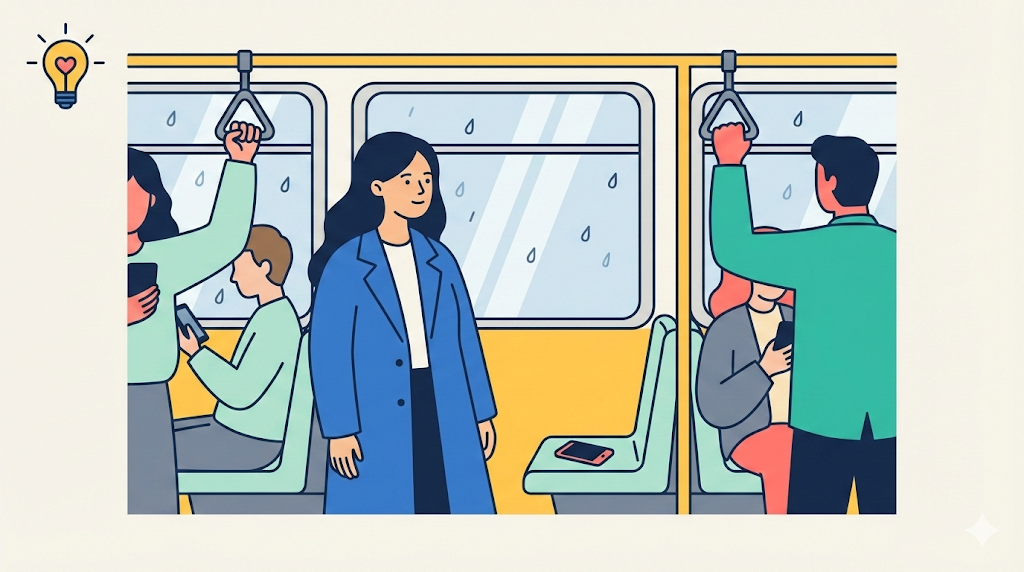
In a loud city, Sora lives with constant sound: traffic, announcements, voices through thin walls. She works online, so her day is also full of digital noise. Messages arrive in the morning. Notifications stack like small alarms. Even when she stops moving, her mind keeps running—like too many “open tabs.”
One evening, she sits on the edge of her bed and turns everything off. No music. No scrolling. Just a glass of water, a slow breath, and a few minutes of silence.
At first, the quiet feels uncomfortable. Then something honest rises: “I don’t know what I want right now.” That sentence is not dramatic, but it is true—and she could not hear it during the day.
The Attention Economy and the Crowded Mind
Modern platforms and workplaces often compete for attention. They reward speed, quick replies, and constant availability. Over time, the mind can learn a habit of constant checking. You may feel busy, yet not feel clear.
Research groups and professional organizations like the APA often discuss how stress and attention overload can affect mood and decision-making. And many well-being discussions, including OECD-style well-being reports, connect quality of life to mental balance, not only income or productivity.
In that context, silence is not only “relaxing.” It is a way to return to your own direction.
Silence Cools Emotion and Protects Values
A common problem is not anger itself, but fast anger. When emotion rises, the brain wants quick action: send the message, prove the point, escape the discomfort. But silence slows the chain.
Sora uses a simple values check during quiet moments:
- “What am I feeling—under the first feeling?”
- “What do I need: rest, honesty, or a boundary?”
- “What choice matches the person I want to be?”
A short silence does not solve everything. But it can create enough space to respond instead of react. That space is where wisdom often begins.
Solitude Is Not Loneliness
Silence can sound like being alone, but it is not always loneliness. Solitude is chosen quiet that helps you reflect. Loneliness is painful disconnection. The goal is not to disappear from life. The goal is to meet life with a clearer mind.
Some attention studies discussed in places like Nature often explore how focus works and how easily it is pulled away. In simple terms: if your attention is always captured, your choices can start to feel less like your own.
Sora does not move to the mountains. She simply protects a “silence window” each day—three minutes before work, or one quiet walk without a screen. The city stays loud. But her inner voice becomes easier to hear.
When life gets loud, a small silence can bring your mind back. What small silence window could you protect this week?
Key Points
- In a loud, fast world, silence protects your attention and direction.
- Quiet helps regulate emotion and support values-based choices.
- Solitude is chosen space; it can be healthy and freeing.
Words to Know
attention /əˈtenʃən/ (n) — your focus
economy /ɪˈkɑːnəmi/ (n) — a system of money, work, and trade
capture /ˈkæptʃər/ (v) — take and hold
input /ˈɪnpʊt/ (n) — information coming in
regulate /ˈreɡjəleɪt/ (v) — control and steady
clarity /ˈklærəti/ (n) — clear understanding
solitude /ˈsɑːlətuːd/ (n) — time alone by choice
loneliness /ˈloʊnlinəs/ (n) — sadness from being alone
overwhelm /ˌoʊvərˈwelm/ (n) — too much at once
reflect /rɪˈflekt/ (v) — think quietly
awareness /əˈwer.nəs/ (n) — noticing clearly
values /ˈvæljuːz/ (n) — what matters most to you
boundary /ˈbaʊndəri/ (n) — a healthy limit
react /riˈækt/ (v) — act fast from emotion
respond /rɪˈspɑːnd/ (v) — answer with thought