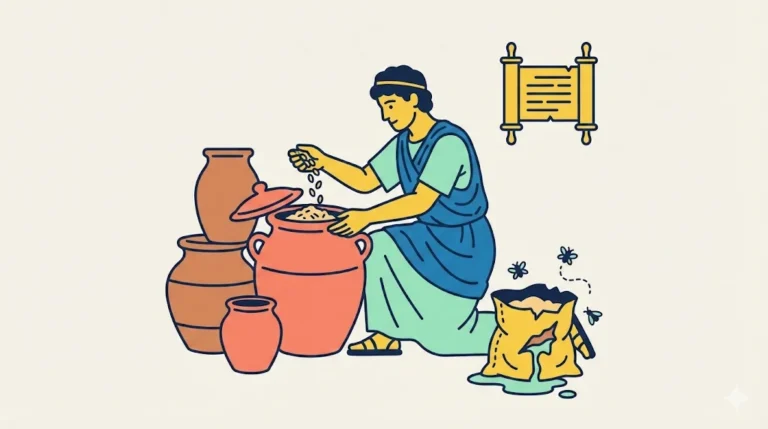
Why Pottery Helped People Store Food
Clay jars protected food from moisture and pests. They also made saving seed and sharing easier, and they supported new community skills like cooking, trade, firing, and decorating.
Wisdom Topics · Category
History, ancient cultures, and key moments
11 topics available
Clay jars protected food from moisture and pests. They also made saving seed and sharing easier, and they supported new community skills like cooking, trade, firing, and decorating.
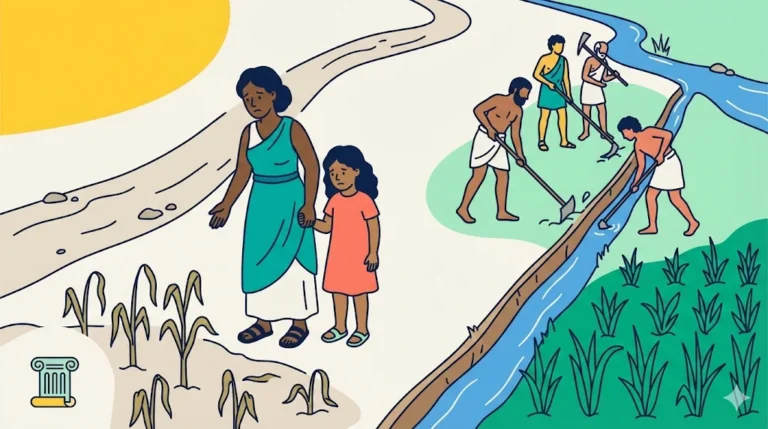
When rain was not enough, farmers used simple canals, ditches, and ponds to guide water by gravity. Irrigation needed teamwork, fair rules, and steady repairs to protect harvests and support towns.
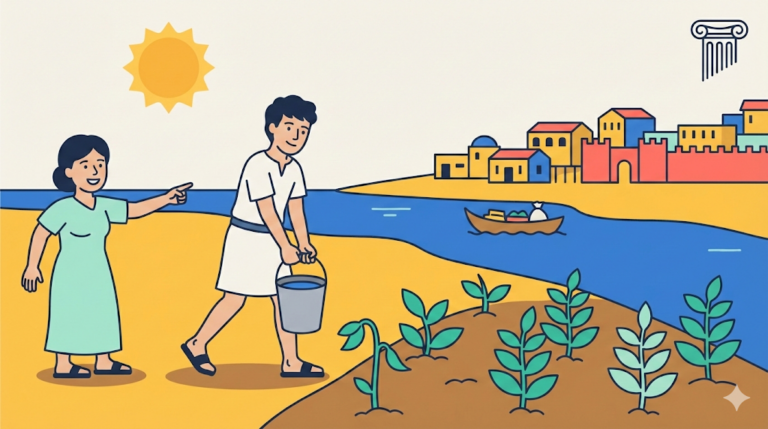
Rivers were early “city builders.” They gave water, renewed soil, and carried goods by boat. People then made canals, storage, and rules—turning villages into towns and cities.
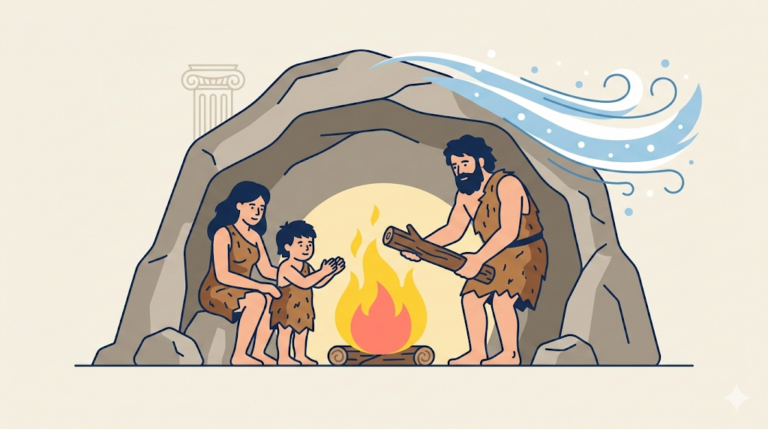
Ice Age life was tough, but humans adapted. See how fire, warm clothing, safe shelters, planned hunting, and strong teamwork helped early people survive and move with the seasons.
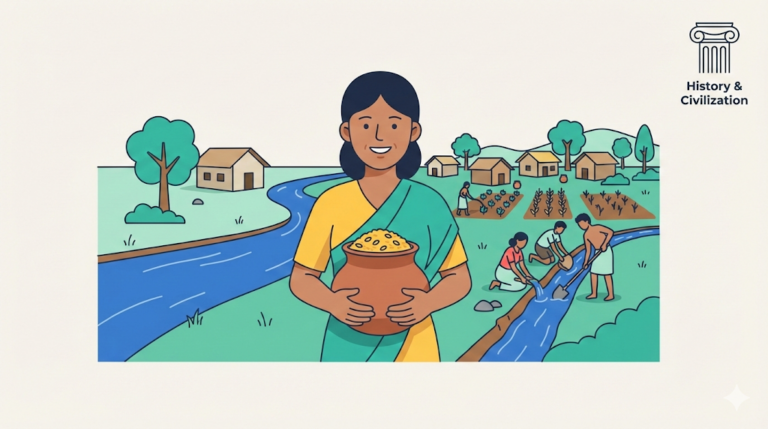
When people learned to farm, they could store extra grain, stay in one place, and grow towns into cities. Surplus food supported new jobs, trade, and leaders—early steps toward civilization.
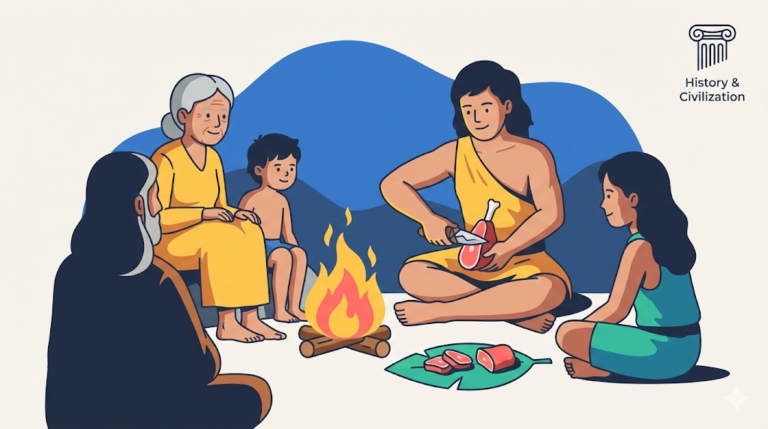
From a sharp stone by a fire to a spear and shelter, early tools made daily work faster and safer—and helped groups learn, share skills, and build the first steps toward civilization.

From long family lunches to park walks, busy markets, and quiet Sundays, weekend rest changes by culture, weather, and local rules. Learn to compare habits without stereotypes.
Writing is a “memory tool” outside the brain. It helped people track trade, share laws, save stories, and build knowledge that could move across centuries.
In many hot regions, people close shops, eat lunch at home, and rest briefly. This tradition helps the body and community match work hours to heat, energy, and family life.
A simple round wheel changed history. Rolling reduced effort, helped animals pull carts, and made trade faster—linking towns and shaping early civilization.
Long ago, fire turned cold nights into safer evenings, made food easier to eat, and helped people live together in groups that slowly grew into early settlements and civilizations.