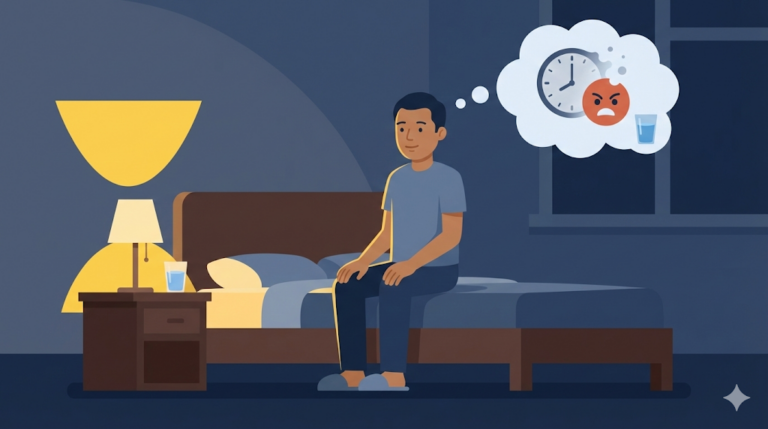
Why Dreams Can Feel So Real
Dreams can feel like real life because the sleeping brain builds vivid scenes and strong emotions, especially in REM sleep, while logical fact-checking is quieter. Learn why you wake with powerful feelings.
Explore big ideas across 6 categories. Each topic comes in 4 reading levels.
Psychology, mindset, and daily habits
❤️Wellness, fitness, and healthy living
🌍Society, travel, and global perspectives
💰Career, finances, and modern work life
🔬Innovation, technology, and tomorrow
🌟Stories of inspiring people
Latest topics from all categories.
Dreams can feel like real life because the sleeping brain builds vivid scenes and strong emotions, especially in REM sleep, while logical fact-checking is quieter. Learn why you wake with powerful feelings.
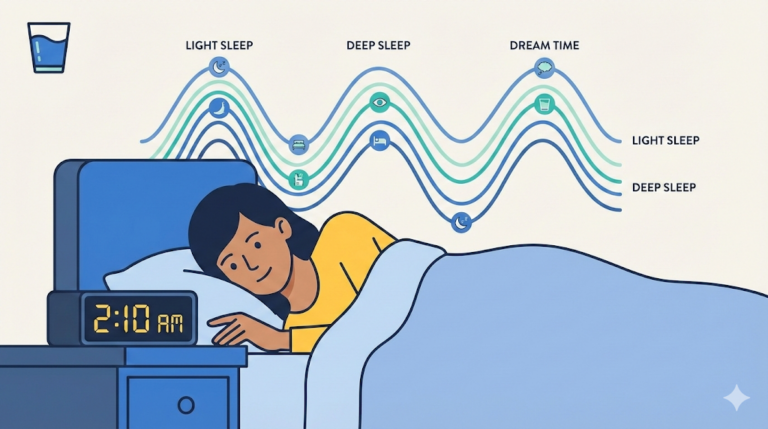
Sleep is not one long “flat” state. It moves in repeating cycles—light sleep, deep sleep, and REM—so your body can recover and your brain can sort memory and emotion.
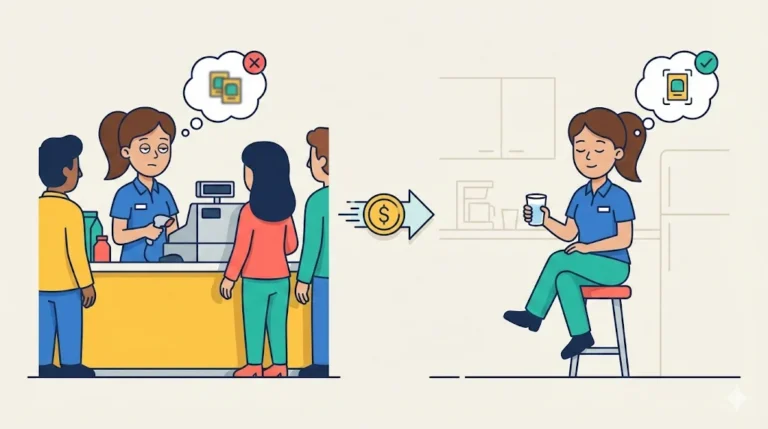
When you rest, your brain and body recharge. Short breaks reset attention, and sleep strengthens learning. A steady focus–rest rhythm helps you make fewer mistakes and do better work.
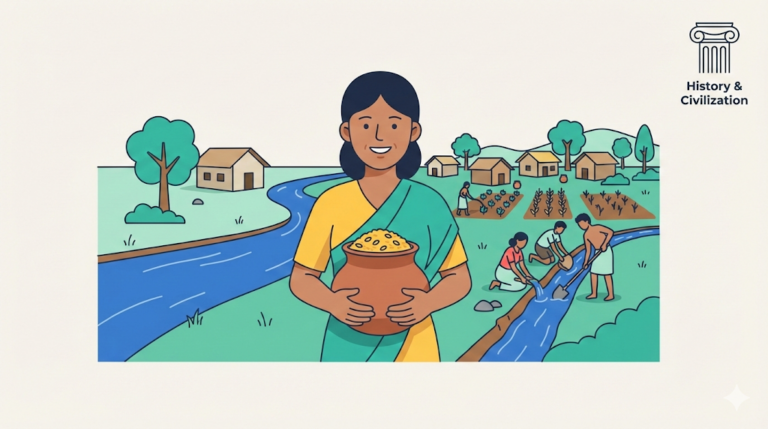
When people learned to farm, they could store extra grain, stay in one place, and grow towns into cities. Surplus food supported new jobs, trade, and leaders—early steps toward civilization.
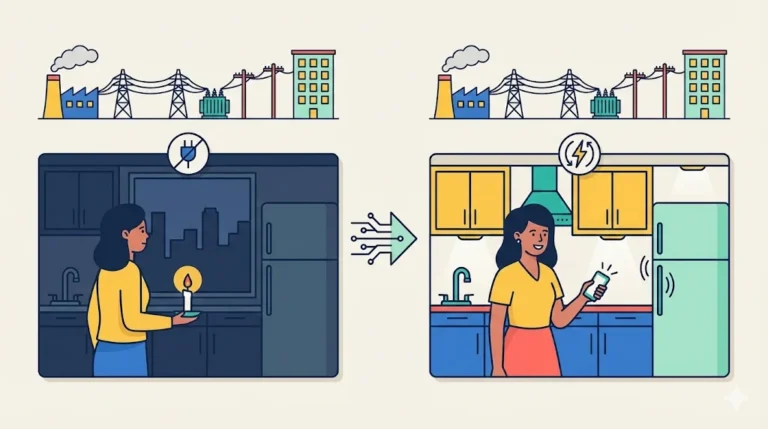
A light switch connects you to a huge system. Follow electricity from power plants to high-voltage lines, transformers, and home circuits—and learn why the grid must stay balanced every second.
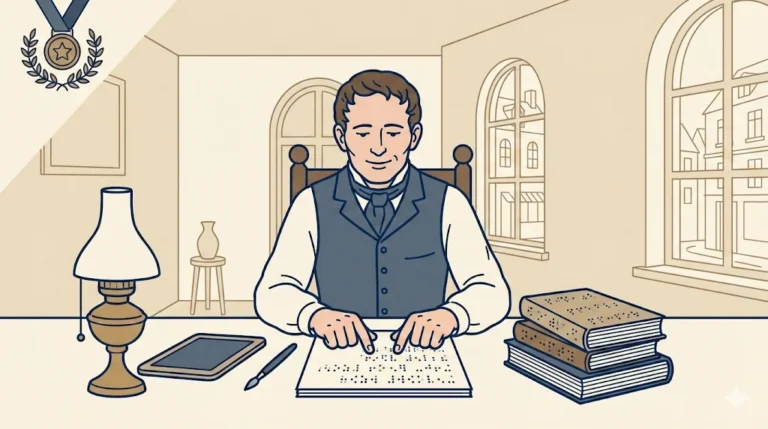
A teenage student invented a six-dot code that fingers can read. Braille became a global tool for real literacy—labels, notes, school, and private reading—beyond audio alone.
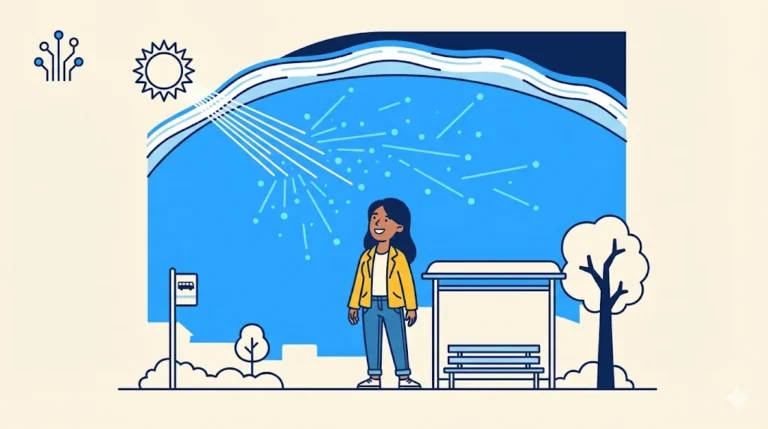
On a clear day, the sky feels like it has its own color. But blue comes from sunlight meeting air, spreading short light waves across the whole sky.
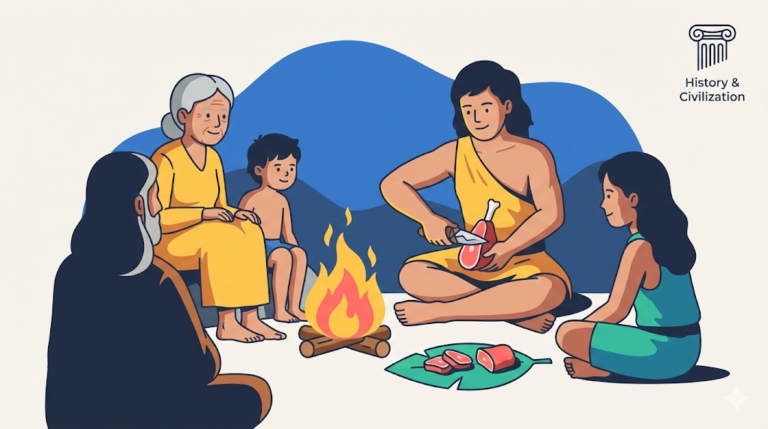
From a sharp stone by a fire to a spear and shelter, early tools made daily work faster and safer—and helped groups learn, share skills, and build the first steps toward civilization.
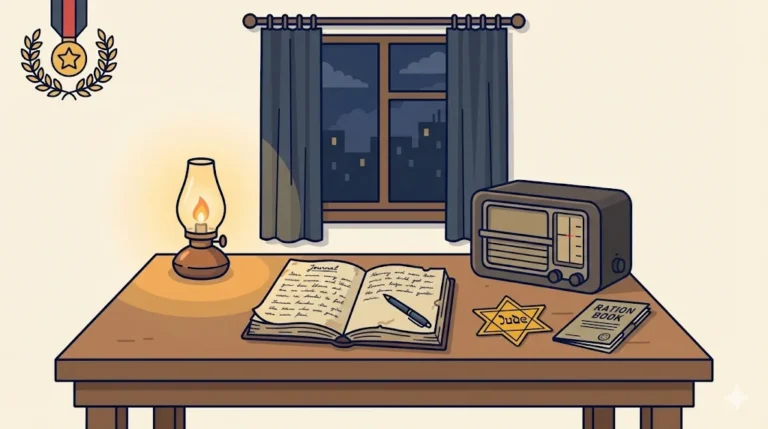
In a hidden room during war, Anne Frank wrote to survive fear with hope. Her diary became a worldwide message about humanity, freedom, and the power of one young voice.
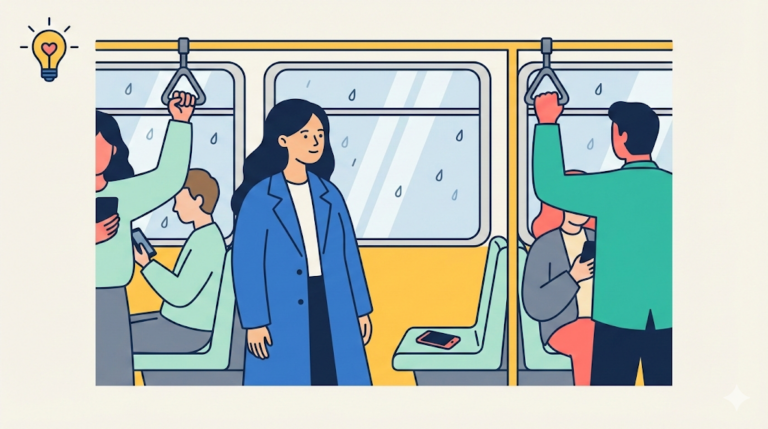
When life gets loud, silence gives the mind space. A short pause can cool emotions, reveal hidden thoughts, and help you respond with calm clarity.
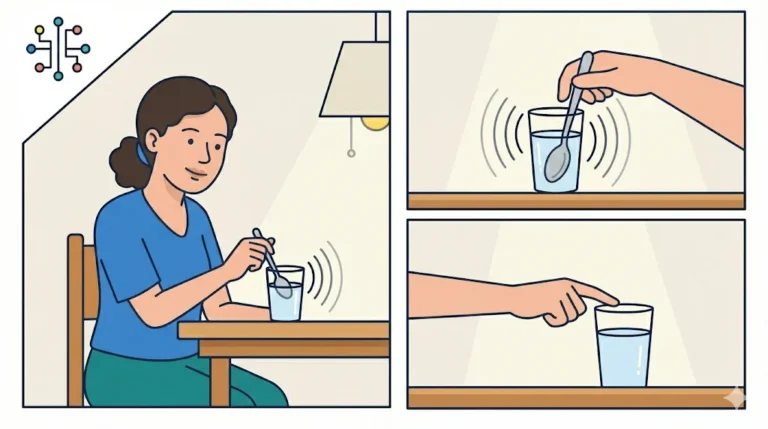
Sound is vibration moving through air, water, or solid. Your ear turns waves into signals. Music is organized sound—rhythm, timing, and repeated patterns people feel and share.
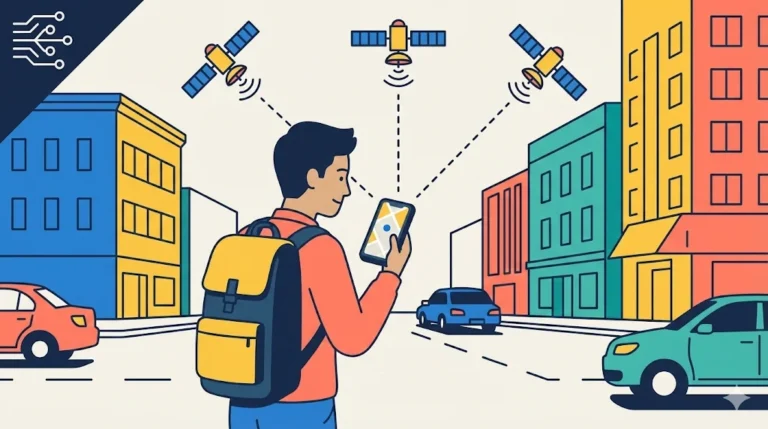
GPS feels like magic, but it is “time + distance + several satellites.” Learn the simple steps and why your phone’s blue dot sometimes drifts in cities or indoors.