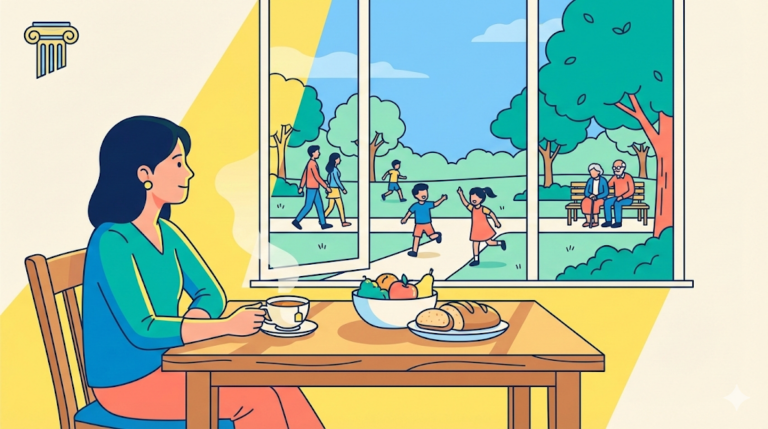
How People Rest on Weekends Around the World
From long family lunches to park walks, busy markets, and quiet Sundays, weekend rest changes by culture, weather, and local rules. Learn to compare habits without stereotypes.
Explore big ideas across 6 categories. Each topic comes in 4 reading levels.
Psychology, mindset, and daily habits
❤️Wellness, fitness, and healthy living
🌍Society, travel, and global perspectives
💰Career, finances, and modern work life
🔬Innovation, technology, and tomorrow
🌟Stories of inspiring people
Latest topics from all categories.
From long family lunches to park walks, busy markets, and quiet Sundays, weekend rest changes by culture, weather, and local rules. Learn to compare habits without stereotypes.
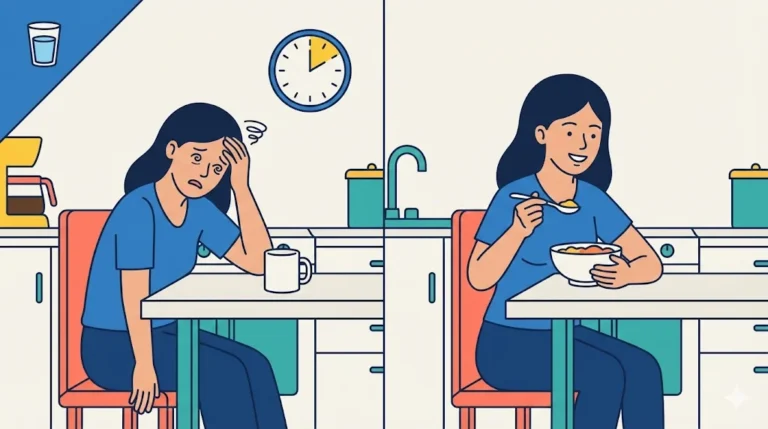
Skipping meals can feel normal, but your body still burns energy and needs nutrients. Daily eating fuels movement, thinking, warmth, and quiet cell repair.
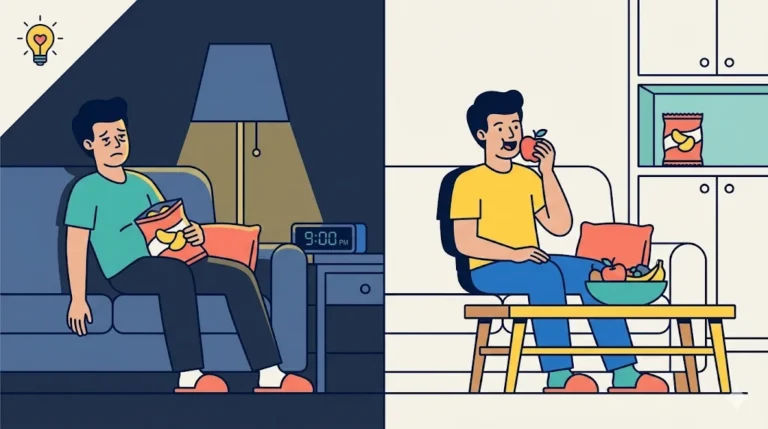
Willpower feels strong in the morning but weak at night. This topic shows why—and how simple cues, better environments, and energy care can protect your habits.
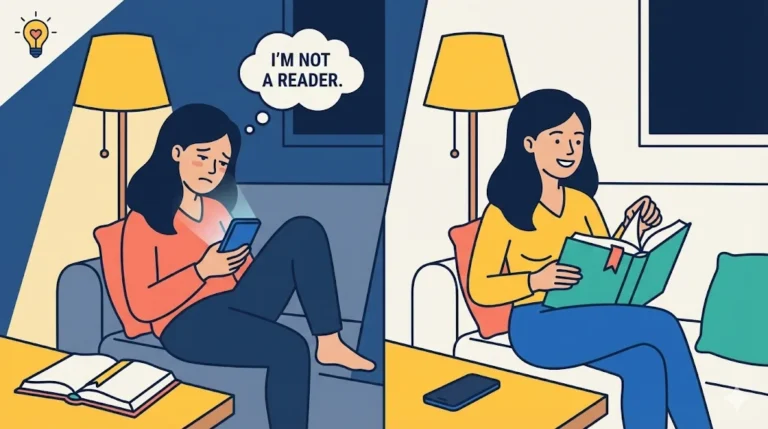
Your habits often follow the story you tell about yourself. Discover how tiny “votes” — small actions and wins — can reshape identity and make better habits feel natural.
Writing is a “memory tool” outside the brain. It helped people track trade, share laws, save stories, and build knowledge that could move across centuries.
Rosa Parks’ calm refusal on a bus became a powerful symbol. With community support and nonviolent action, one small moment helped start a movement and change history over time.
We hold on to habits, roles, and worries because they feel safe. But small acts of letting go can create space, lower stress, and open a new path.
Ice floats because frozen water expands into a roomy crystal shape. This lowers density, keeps ice on top, and helps lakes stay alive in winter—showing how small patterns can protect a whole world.
Touchscreens feel like magic, but they use a hidden sensor grid. Your finger changes signals, the phone finds the x-y point, and software decides what to do—tap, swipe, or zoom.
In many hot regions, people close shops, eat lunch at home, and rest briefly. This tradition helps the body and community match work hours to heat, energy, and family life.
From strict single-file lines to loose crowd clusters, queue styles come from fairness rules, space, time pressure, and public systems. Learn how to adapt politely worldwide.
In many cultures, the doorway is a small “border.” Taking off shoes keeps floors cleaner, shows respect, and protects comfort—often with slippers as the friendly middle step.