Recovery Is Part of Productivity
How routines and work culture shape long-term quality.
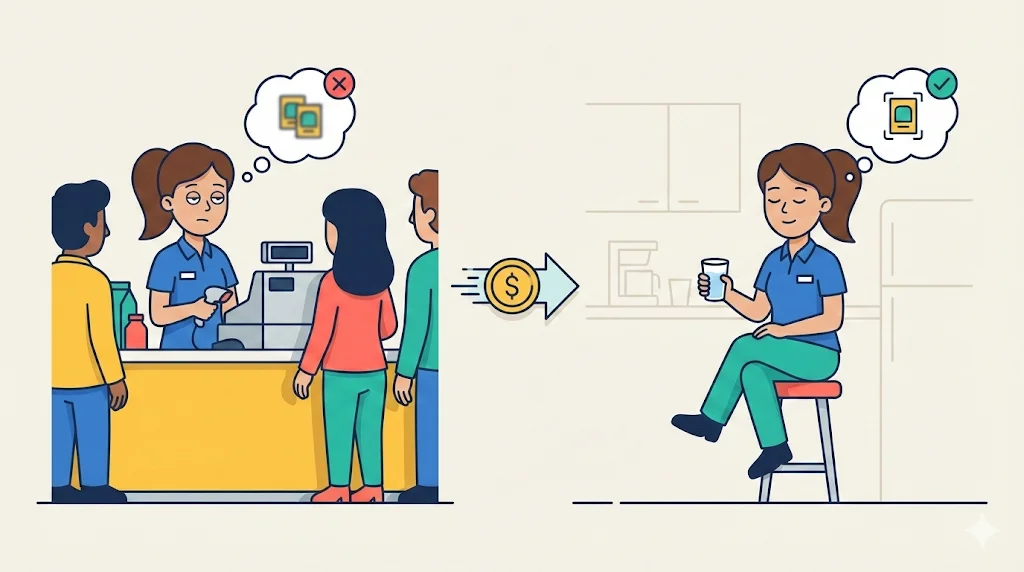
Soo-jin is known as “the dependable one.” When a project is urgent, she stays late. When a teammate struggles, she covers the gap. Her managers praise her long hours. For a while, it feels like a simple equation: more time equals more value.
Then small cracks appear. She rereads the same paragraph three times. She forgets what she promised in a meeting. She becomes short with people she likes. Worst of all, she starts doing rework: fixing mistakes that did not exist last month. The hours are long, but the results are fragile.
Rest as a productivity tool, not a reward
Soo-jin begins to track her work like an experiment. She writes two numbers each day: “focused hours” and “rework hours.” After two weeks, the pattern is clear. When she sleeps well and takes real breaks, focused hours go up and rework goes down. When she pushes late nights, the opposite happens.
She also notices creativity. When she steps away from a hard problem, the answer sometimes arrives during a walk or a shower. The brain keeps working in the background when pressure drops.
This is why many researchers and organizations talk about sustainable productivity. The OECD, for example, often reports on productivity and work conditions across countries. In many jobs today, attention and judgment are the main tools. If those tools are damaged by fatigue, “more hours” can become a trap. Sleep research shared in journals like Nature often explores how sleep supports learning and memory, which matters when your job is skill and thinking.
The hidden incentives that reward overwork
Soo-jin also notices something cultural. Her workplace rewards visibility: being online late, answering fast, looking busy. It does not measure quiet quality: fewer errors, clearer plans, better decisions. So people hide fatigue. They skip breaks. They reply quickly, even when a slower, smarter reply would save hours later.
The World Economic Forum (WEF) and business media like The Economist often discuss burnout and the cost of stress in modern work. The cost is not only personal health. It is also lost quality: customer mistakes, safety risks, and damaged trust inside teams. When people are exhausted, they stop sharing ideas and start protecting themselves.
Building a work–rest rhythm that lasts
Soo-jin does not quit her ambition. She redesigns it. She sets a daily rhythm: 60–90 minutes of deep work, then 10 minutes off-screen. She protects lunch like a meeting. She creates a “shutdown list” at the end of the day: what is done, what is next, and what can wait. She makes sleep a non-negotiable habit before big days. On weekends, she plans at least one long, truly quiet block—no errands, no scrolling, just real recovery.
She shares the idea with her team. They agree on simple rules: no late messages unless urgent, short breaks during long meetings, and one day each week for planning instead of constant reacting. Slowly, trust improves, because people are less irritable and more consistent.
A month later, Soo-jin’s output looks different. Fewer edits. Clearer priorities. Better conversations. She learns the lesson her calendar never taught her: high-quality work is built in cycles. Effort matters, but recovery is the part that keeps effort sharp.
Key Points
- In knowledge work, rest protects attention, judgment, and creativity.
- Work cultures can reward long hours, even when quality drops.
- Clear boundaries and routines build sustainable, high-quality output.
Words to Know
dependable /dɪˈpendəbəl/ (adj) — someone people can trust
fragile /ˈfrædʒaɪl/ (adj) — easily damaged or broken
productivity /ˌproʊdʌkˈtɪvəti/ (n) — how much useful work you produce
incentive /ɪnˈsentɪv/ (n) — something that encourages behavior
visibility /ˌvɪzəˈbɪləti/ (n) — being seen and noticed
boundary /ˈbaʊndəri/ (n) — a clear limit you protect
sustainable /səˈsteɪnəbəl/ (adj) — able to continue long-term
judgment /ˈdʒʌdʒmənt/ (n) — the ability to decide well
recovery /rɪˈkʌvəri/ (n) — returning to strength after effort
experiment /ɪkˈsperɪmənt/ (n) — a test to learn what works
consistent /kənˈsɪstənt/ (adj) — steady and reliable over time
non-negotiable /ˌnɑːn nɪˈɡoʊʃiəbəl/ (adj) — not open to change
shutdown /ˈʃʌtdaʊn/ (n) — a planned stop at the end of work
burnout /ˈbɝːnaʊt/ (n) — extreme tiredness from long stress