How Sound Waves Become Music
Science explains the waves, but listeners create the meaning.
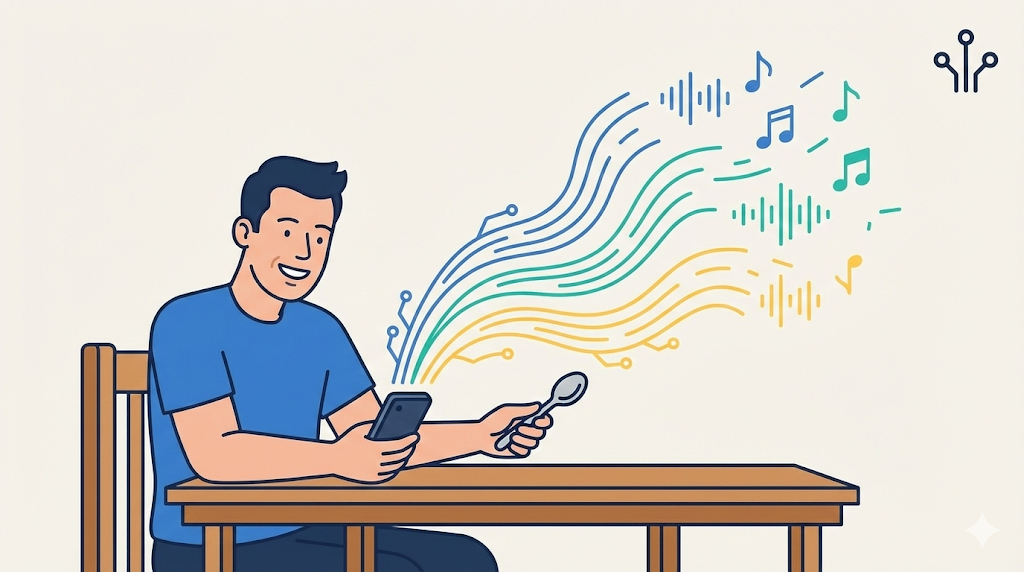
A beginner music student records three short sounds on a phone: clapping hands, humming one note, and then humming two notes together. The student plays them back. The clap feels like time. The single note feels like direction. The two notes feel richer—almost like a mood. Nothing “magical” was added, yet the experience changes.
Waves Carry Many Kinds of Information
Sound is vibration traveling through a medium like air. A wave can carry several clues at once:
- Loudness mostly follows amplitude (bigger pressure changes feel louder).
- Pitch mostly follows frequency (faster vibration feels higher).
- Timing tells you where beats and pauses sit.
- Timbre explains why a flute and a guitar feel different on the same note, because their wave shapes and overtones differ.
In real music, these clues arrive together as a complex moving pattern.
From Ear to Brain: Turning Motion Into Structure
The ear converts waves into neural signals. Then the brain searches for order. A steady pulse becomes rhythm, which supports prediction and body movement. A path of pitches becomes melody, which feels like a story with steps and turns. When notes sound at the same time, the brain hears harmony, a blending that can feel tense, calm, bright, or dark.
Expectation matters. When a song repeats a pattern, the listener learns it. When the song delays a beat or changes one note, attention spikes—and emotion often follows. This is one reason a simple chorus can feel powerful: it builds familiarity, then plays with it.
Culture, Memory, and New Technology
Music is also shaped by culture. Different regions prefer different scales, rhythms, and instruments, so “pleasant” patterns can vary across communities. Personal memory matters too: one melody can feel comforting to one person and empty to another, depending on life experience.
Modern technology changes the surface—recording, streaming, and AI tools can copy styles fast and mix sounds in new ways. But the core listener stays the same: a human brain looking for patterns that make sense.
Music begins as moving air. It becomes music when a listener finds a beat to hold, a melody to follow, and a harmony that adds depth—then connects it all to feeling.
Key Points
- Sound waves carry loudness, pitch, timing, and timbre information.
- The brain builds rhythm, melody, and harmony from patterns and expectation.
- Culture and memory shape what “feels musical,” even with the same waves.
Words to Know
vibration /vaɪˈbreɪʃən/ (n) — quick back-and-forth movement
medium /ˈmiːdiəm/ (n) — material sound travels through (air, water, solid)
amplitude /ˈæmplɪtuːd/ (n) — wave size linked to loudness
frequency /ˈfriːkwənsi/ (n) — vibration rate linked to pitch
timing /ˈtaɪmɪŋ/ (n) — where sounds happen in time
timbre /ˈtɪmbər/ (n) — sound color that separates instruments
overtone /ˈoʊvərtoʊn/ (n) — extra tones inside a sound
harmony /ˈhɑːrməni/ (n) — notes sounding together
predict /prɪˈdɪkt/ (v) — to expect what comes next
expectation /ˌɛkspɛkˈteɪʃən/ (n) — what you think will happen
tension /ˈtɛnʃən/ (n) — a feeling of tightness or instability
scale /skeɪl/ (n) — a set of notes used in music
chorus /ˈkɔːrəs/ (n) — repeating main part of a song
layer /ˈleɪər/ (n) — one part within many parts
neural /ˈnʊrəl/ (adj) — related to nerves and the brain